The Ghost Tower in Buenos Aires: La Boca’s History and Legend
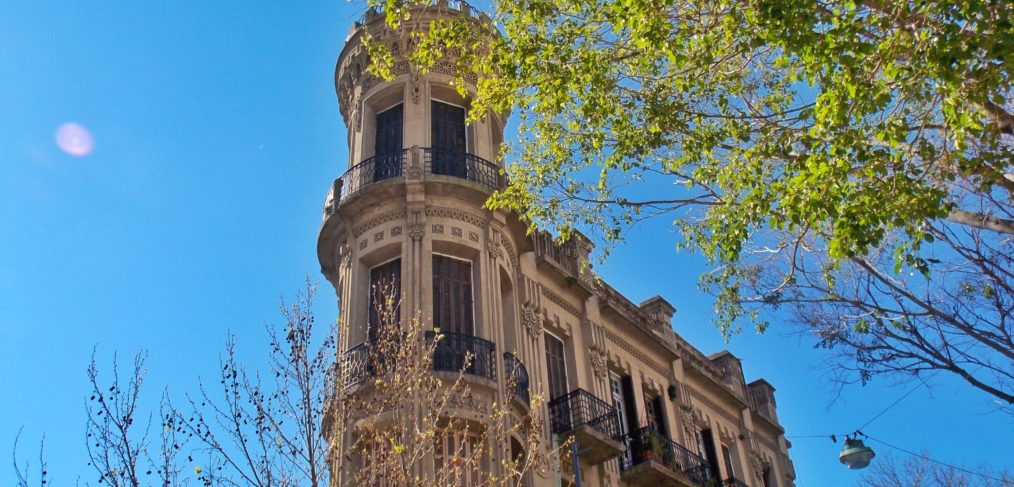
The Ghost Tower in Buenos Aires, known locally as Torre del Fantasma, is a distinctive building in La Boca associated with stories of a haunted tower. Designed by architect Guillermo Álvarez, it combines Catalan modernist architecture with a neighborhood legend about a painter named Clementina.
You may also hear it called the Ghost House in La Boca. Its turret gives it the appearance of a small castle, making it easy to understand why the building has attracted so many stories.
But there are two ways to look at this corner: as a work of architecture and as the setting for a tale passed from one storyteller to another.
Where is the Ghost Tower in Buenos Aires?
The Torre del Fantasma stands at the meeting of Avenida Almirante Brown, Benito Pérez Galdós and Wenceslao Villafañe, in La Boca. The city’s official tourism website lists its address as Avenida Benito Pérez Galdós 390.
Its position on an unusually shaped corner helps the tower stand out. Rather than blending into a straight row of buildings, it gives this small block a recognizable silhouette.
Use “Torre del Fantasma, La Boca” when locating it on a map. The Spanish name is useful because it is how the building is identified locally.
Who designed the Torre del Fantasma?
The building is attributed to Guillermo Álvarez, an architect whose work brought Catalan modernist influences to Buenos Aires. It dates from the early twentieth century, although published accounts disagree on its precise construction dates.
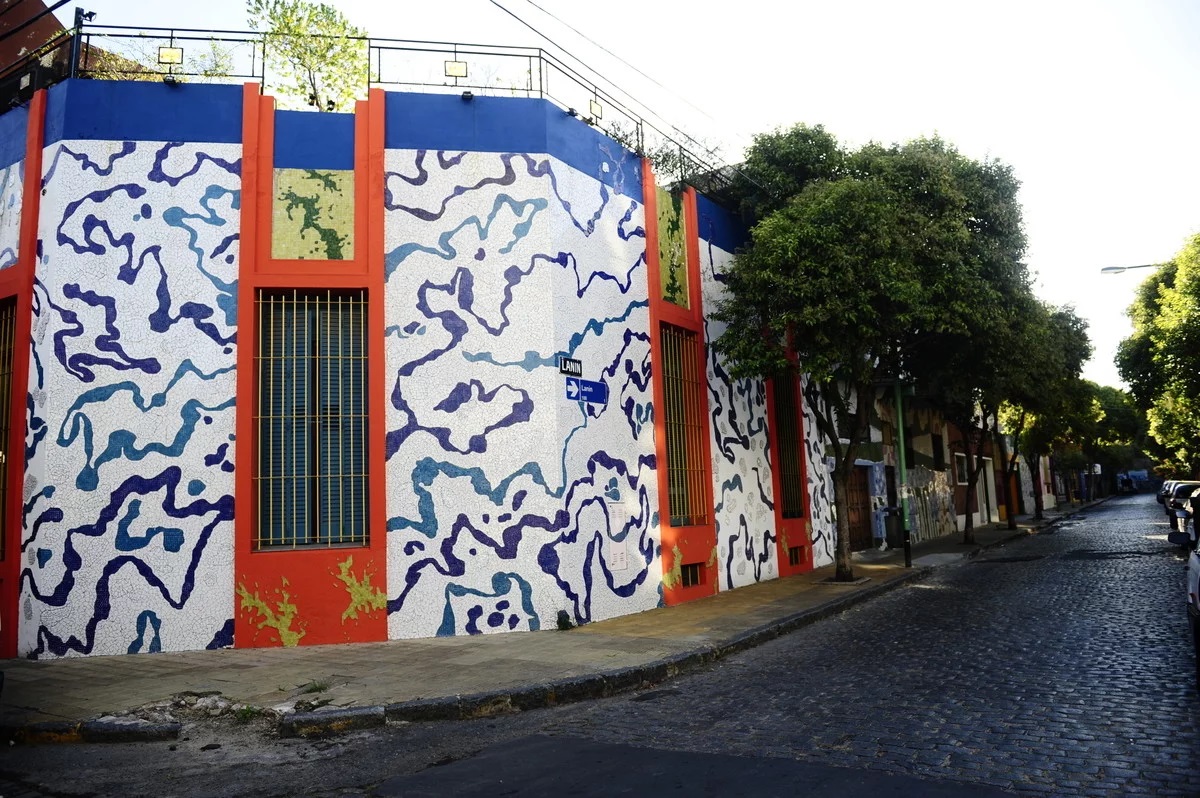
Its decorative treatment and turret distinguish it from the familiar image of La Boca’s colorful corrugated-metal houses. The neighborhood’s architecture includes many different building types, and this corner offers a reason to look beyond its best-known streets.
The castle-like tower also has a practical explanation. An architectural account cited by La Nación describes the turret as concealing the building’s water tank. That detail is a useful reminder that a dramatic silhouette can serve an ordinary function.
Why is it called the Ghost Tower?
The nickname comes from stories of strange sounds and supernatural presences associated with the building. One of the most frequently retold versions centers on Clementina, a painter said to have occupied a studio in the tower.
In a version published by the Buenos Aires city government, the building’s original owner leaves after unsettling events. Clementina later uses the tower as her atelier, and a journalist photographs her paintings. The story then introduces mysterious figures appearing in those photographs and connects the artist’s tragic death with the disturbances.
Some versions emphasize Clementina’s wandering spirit; others feature duendes, mischievous or threatening supernatural beings.
These are elements of an urban legend. The existence of a published retelling does not verify the supernatural claims or establish every character and event as historical fact.
Is the Ghost Tower really haunted?
There is no verified evidence in the sources used for this article that the building is haunted. Its reputation belongs to the folklore of La Boca.
That does not make the story irrelevant. A nickname can change how people notice a building, and a distinctive tower provides a memorable setting for a mystery. Once you know the legend, an otherwise unfamiliar corner becomes easier to recognize and remember.
The most interesting approach is to enjoy the tale while keeping its status clear. Guillermo Álvarez’s architecture and the building’s location can be discussed separately from the ghost story.
What should you look for when you visit?
Start with the overall shape of the building and the way the turret marks the corner. Then look more closely at the decorative details and how the façades respond to the narrow site.
Knowing the water-tank explanation adds another layer to the view. You can appreciate the visual effect of the tower while understanding that it was also part of the building’s infrastructure.
Plan to see it from the public street. The sources consulted do not establish regular public access to the interior, so do not assume that a tourism listing includes permission to enter. Keep doorways clear and respect the privacy of occupants.
Another side of La Boca
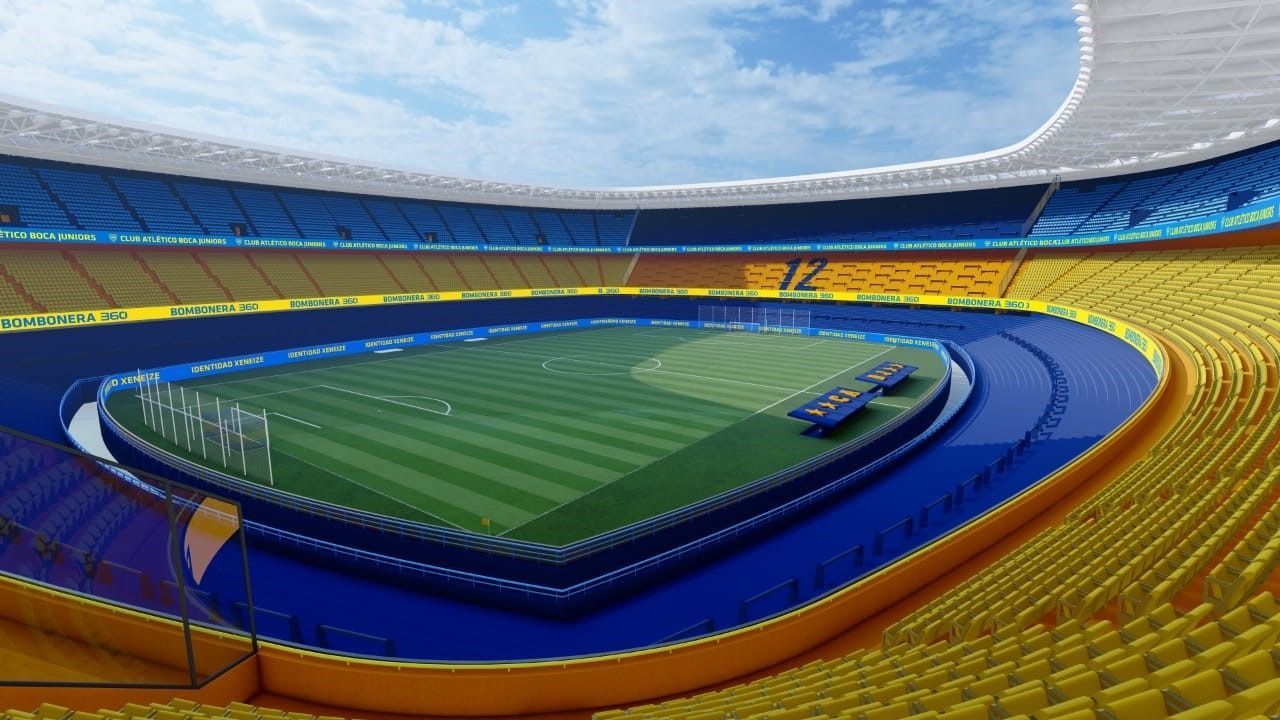
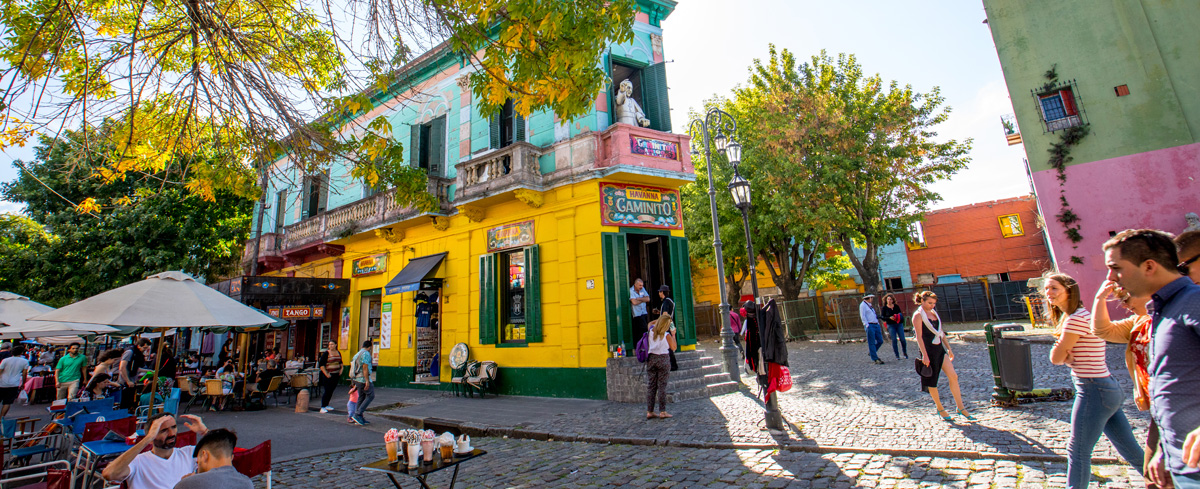
La Boca is often introduced through Caminito and football, but its architectural details and neighborhood legends offer other ways to understand the area.
The Ghost Tower brings those interests together in one place. You can stop for the unusual building, hear the story attached to it and leave with a more varied picture of the neighborhood.
To explore another part of La Boca’s cultural history, read how Caminito became a colorful street museum.
If you would like to explore the southern neighborhoods with a local guide, discover La Boca and San Telmo tour. If the Ghost Tower is a particular interest, ask me about including an exterior stop in your itinerary.
Paola de Luca | Tu guia en BA.